
Table of Contents
ToggleThatte Idli Recipe
Introduction
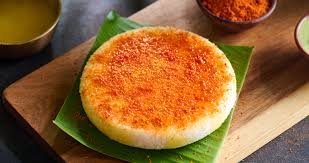
Thatte Idli is a soft, fluffy, and popular South Indian breakfast dish that originates from Karnataka, especially the regions around Bengaluru and Tumkur. The word “Thatte” means plate in Kannada, and this idli gets its name because it is traditionally steamed in flat round plates instead of regular idli molds. Unlike regular idlis, Thatte Idli is larger, flatter, softer, and incredibly spongy, making it a favorite among idli lovers.
This delicious breakfast recipe is known for its light texture and mild flavor. Served hot with coconut chutney, vegetable sambar, or spicy chutney powder, Thatte Idli makes a comforting and wholesome meal for breakfast, dinner, or even lunch. Its cloud-like softness and airy texture make it unique compared to standard idlis.
One of the secrets behind perfect Thatte Idli is the fermentation of the batter. A well-fermented batter creates soft and porous idlis that absorb chutney and sambar beautifully. The addition of poha or cooked rice in the batter also helps achieve extra softness.
Thatte Idli is widely sold in South Indian restaurants and roadside eateries where it is often served with a dollop of butter on top. The combination of steaming hot idli with spicy chutney and aromatic sambar creates an unforgettable food experience.
The recipe uses simple ingredients like rice, urad dal, poha, and salt, but the method and fermentation process are important for achieving authentic texture. Even though the recipe takes time because of soaking and fermentation, the final result is absolutely worth it.
In this detailed recipe, you will learn how to make authentic Thatte Idli at home with step-by-step instructions, tips, serving suggestions, and variations.
Preparation Time
- Soaking Time: 6 hours
- Fermentation Time: 8 hours
- Preparation Time: 20 minutes
- Cooking Time: 15 minutes
- Total Time: Approximately 14 hours
Servings
- Makes 10 to 12 Thatte Idlis
Ingredients
Main Ingredients
- 3 cups idli rice
- 1 cup urad dal
- ½ cup poha (flattened rice)
- 1 teaspoon fenugreek seeds
- Salt to taste
- Water as required
For Greasing
- Oil or ghee
Instructions
Step 1: Soak the Ingredients
Wash idli rice thoroughly and soak it in water for 6 hours.
In another bowl, soak urad dal and fenugreek seeds together for 6 hours.
Soak poha separately for 20 minutes before grinding.
Step 2: Grind the Batter
Drain the water from urad dal and grind it into a smooth and fluffy batter by adding water gradually.
Transfer it to a large bowl.
Next, grind soaked rice and poha into a slightly coarse batter.
Mix both batters together using clean hands.
Add salt and mix thoroughly.
Step 3: Ferment the Batter
Cover the batter and allow it to ferment overnight or for 8 hours in a warm place.
The batter should rise well and become airy.
Proper fermentation is important for soft and fluffy Thatte Idli.
Step 4: Prepare the Idli Plates
Grease Thatte Idli plates or shallow steel plates with oil or ghee.
Pour a ladleful of batter into each plate.
Do not overfill because the batter rises during steaming.
Step 5: Steam the Idlis
Heat water in an idli steamer.
Place the plates carefully inside the steamer.
Steam on medium flame for about 12–15 minutes until the idlis are fully cooked.
Insert a toothpick or knife to check doneness.
Step 6: Cool and Serve
Allow the idlis to cool slightly before removing them gently from the plates.
Serve hot with chutney and sambar.
Serving Suggestions
Thatte Idli tastes best when served with:
- Coconut chutney
- Vegetable sambar
- Tomato chutney
- Chutney powder with ghee
- Butter topping
It can also be enjoyed with spicy potato curry.
Tips for Perfect Thatte Idli
- Use good-quality idli rice.
- Grind urad dal until fluffy for soft texture.
- Ferment the batter properly.
- Add poha for extra softness.
- Steam on medium heat for even cooking.
- Do not overcook the idlis.
Health Benefits of Thatte Idli
Easy to Digest
Fermented foods support digestion and gut health.
Low Oil Breakfast
Thatte Idli requires very little oil, making it a healthy meal.
Good Source of Energy
Rice and urad dal provide carbohydrates and protein.
Light and Filling
These idlis are soft, light, and satisfying.
Variations of Thatte Idli
Butter Thatte Idli
Top hot idlis with butter before serving.
Rava Thatte Idli
Prepare using semolina for instant version.
Vegetable Thatte Idli
Add grated carrots or coriander leaves to the batter.
Millet Thatte Idli
Replace some rice with millet for healthier variation.
Storage Tips
The fermented batter can be stored in the refrigerator for up to 3 days.
Steamed idlis taste best fresh but can be refrigerated and reheated before serving.
Why You Will Love This Recipe
- Soft and fluffy texture
- Authentic Karnataka breakfast
- Healthy and light meal
- Perfect with chutney and sambar
- Easy homemade recipe
- Loved by all age groups
About Traditional Thatte Idli
Thatte Idli is a signature dish of Karnataka cuisine and is especially famous in Bengaluru. The larger size and soft texture make it different from regular idlis. Traditionally, it is served in local eateries with spicy chutney and hot sambar, often accompanied by butter.
Today, Thatte Idli is enjoyed across India because of its comforting taste and soft texture.
Conclusion
Thatte Idli is a classic South Indian breakfast recipe that perfectly combines softness, simplicity, and wholesome flavor. Its fluffy texture and mild taste make it an ideal comfort food that pairs beautifully with chutney and sambar.
Whether you prepare it for breakfast, dinner, or festive family meals, this authentic Karnataka-style idli always brings warmth and satisfaction to the table. The fermentation process and steaming method create light and airy idlis that melt in the mouth.
Try this homemade Thatte Idli recipe and enjoy soft, fluffy, restaurant-style idlis with your family and friends.