
Table of Contents
ToggleMillet Dosa Recipe
Introduction
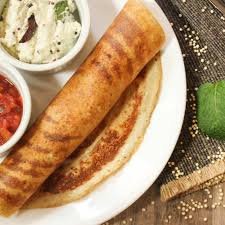
Millet Dosa is a healthy and delicious South Indian breakfast recipe made with nutrient-rich millets, lentils, and spices. This crispy dosa is a perfect alternative to regular rice dosa and is packed with fiber, protein, vitamins, and minerals. Millets are considered a superfood because they are gluten-free, easy to digest, and help maintain a healthy lifestyle. If you are looking for a wholesome breakfast or dinner option, Millet Dosa is an excellent choice.
This recipe is ideal for people who want to include more healthy grains in their diet without compromising on taste. The dosa turns beautifully crisp on the outside while remaining soft inside. It pairs wonderfully with coconut chutney, tomato chutney, or hot sambar. Millet Dosa is also a great option for kids and adults alike because it is both nutritious and satisfying.
One of the best things about this recipe is its versatility. You can prepare it using different types of millets such as foxtail millet, pearl millet, little millet, or barnyard millet. The fermentation process gives the dosa a light texture and authentic South Indian flavor. Whether you are making breakfast for your family or planning a healthy brunch menu, this dosa recipe will surely impress everyone.
Millets have become increasingly popular due to their health benefits. They are known to support weight management, improve digestion, and regulate blood sugar levels. By replacing rice with millets in dosa, you can enjoy a balanced meal that keeps you energetic throughout the day.
In this detailed recipe, you will learn how to make crispy and flavorful Millet Dosa step by step with simple ingredients available in your kitchen.
Preparation Time
- Soaking Time: 6 hours
- Fermentation Time: 8 hours
- Preparation Time: 20 minutes
- Cooking Time: 25 minutes
- Total Time: Approximately 14 hours
Servings
- Makes around 12 dosas
Ingredients
For the Dosa Batter
- 2 cups millet (foxtail millet or little millet)
- 1 cup urad dal (split black gram)
- 2 tablespoons poha (flattened rice)
- 1 teaspoon fenugreek seeds
- Salt to taste
- Water as required
For Cooking
- Oil or ghee for roasting dosa
Instructions
Step 1: Soak the Ingredients
Wash the millet thoroughly 2–3 times with water. In a large bowl, soak the millet along with poha for about 6 hours. In another bowl, soak urad dal and fenugreek seeds together for the same duration.
Soaking helps soften the grains and lentils, making them easier to grind into a smooth batter.
Step 2: Grind the Batter
Drain the water from the soaked ingredients. First grind the urad dal and fenugreek seeds in a mixer grinder until smooth and fluffy. Add water gradually while grinding.
Next, grind the soaked millet and poha into a smooth batter. Combine both batters in a large mixing bowl.
Add salt and mix well with clean hands or a spoon.
Step 3: Ferment the Batter
Cover the bowl and allow the batter to ferment overnight or for about 8 hours in a warm place.
The batter will rise slightly and become airy after fermentation. This step is important for achieving soft and crispy dosas with authentic flavor.
Step 4: Prepare the Tawa
Heat a dosa tawa or non-stick pan on medium heat. Sprinkle a few drops of water on the tawa. If the water sizzles immediately, the tawa is ready.
Lightly grease the pan with oil using a tissue or half onion.
Step 5: Make the Dosa
Pour one ladleful of batter onto the center of the hot tawa. Spread it gently in circular motions to form a thin dosa.
Drizzle oil or ghee around the edges and cook on medium flame until the dosa becomes golden brown and crispy.
Flip if desired and cook for another 30 seconds.
Remove the dosa carefully and repeat with the remaining batter.
Serving Suggestions
Millet Dosa tastes best when served hot with:
- Coconut chutney
- Tomato chutney
- Peanut chutney
- Sambar
- Potato masala
You can also serve it with curd for a healthy meal.
Tips for Perfect Millet Dosa
- Fermentation is the key to soft and crispy dosa.
- Use a cast iron tawa for restaurant-style crispy texture.
- Do not spread the batter too thick.
- Maintain medium heat while cooking.
- Add poha for softness and better texture.
- If the batter becomes too thick after fermentation, add little water.
Health Benefits of Millet Dosa
Rich in Nutrients
Millets are loaded with essential nutrients like iron, magnesium, calcium, and fiber.
Good for Digestion
The high fiber content helps improve digestion and keeps you full for longer.
Gluten-Free
Millet Dosa is naturally gluten-free, making it suitable for people with gluten sensitivity.
Helps in Weight Management
Millets are low in calories and help control hunger cravings.
Supports Heart Health
Millets may help reduce cholesterol levels and support cardiovascular health.
Variations of Millet Dosa
Mixed Millet Dosa
Use a combination of different millets for added nutrition and flavor.
Vegetable Millet Dosa
Add grated carrots, onions, coriander leaves, and green chilies to the batter.
Instant Millet Dosa
Prepare a quick version using millet flour and curd without fermentation.
Cheese Millet Dosa
Add grated cheese while cooking for a kid-friendly variation.
Storage Tips
You can store the fermented batter in the refrigerator for up to 3 days. Mix the batter well before making dosas.
Cooked dosas should be served immediately for the best crisp texture.
Conclusion
Millet Dosa is a healthy, tasty, and easy-to-make recipe that perfectly combines nutrition with traditional South Indian flavors. It is an excellent breakfast option for anyone looking to eat healthier while still enjoying delicious food. The crispy texture, mild tangy flavor, and wholesome ingredients make this dosa a favorite among health-conscious food lovers.
Try this Millet Dosa recipe at home and enjoy a comforting meal with your favorite chutney and sambar. Once you start making millet dosa regularly, it can easily become a staple in your kitchen because of its simplicity and health benefits.