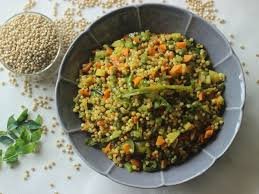

Jowar Khichdi Recipe
Introduction
Jowar Khichdi is a wholesome, nutritious, and comforting Indian dish made using jowar (sorghum), lentils, vegetables, and aromatic spices. Known for its rich nutritional value and earthy flavor, jowar has become increasingly popular among health-conscious people looking for gluten-free and fiber-rich meal options. This healthy khichdi is easy to digest, filling, and perfect for lunch or dinner.
Traditionally, khichdi is considered one of the simplest and most comforting meals in Indian households. While rice is commonly used in regular khichdi, this recipe replaces rice with jowar to create a healthier and more wholesome variation. Jowar is packed with dietary fiber, protein, iron, and antioxidants, making this dish an excellent choice for people following a balanced lifestyle.
Jowar Khichdi is not only nutritious but also delicious. The combination of soft-cooked jowar, moong dal, fresh vegetables, and mild spices creates a hearty one-pot meal that can be enjoyed by all age groups. It is ideal for busy weekdays because it requires minimal preparation and can be cooked in a pressure cooker or instant pot.
In this recipe, you will learn how to make flavorful and perfectly cooked Jowar Khichdi at home with simple ingredients and easy step-by-step instructions.
Preparation Time
- Preparation Time: 20 minutes
- Cooking Time: 35 minutes
- Total Time: 55 minutes
- Servings: 4
Ingredients
Main Ingredients
- 1 cup jowar (sorghum)
- ½ cup yellow moong dal
- 1 small carrot chopped
- ½ cup green peas
- 1 small potato chopped
- 1 small tomato chopped
- 1 small onion finely chopped
- 1 green chili chopped
- 1 teaspoon grated ginger
- 2 tablespoons chopped coriander leaves
Spices
- ½ teaspoon turmeric powder
- 1 teaspoon cumin seeds
- ½ teaspoon red chili powder
- ½ teaspoon garam masala
- Salt to taste
Other Ingredients
- 2 tablespoons ghee or oil
- 5 cups water
- Lemon wedges for serving
Health Benefits of Jowar
Jowar is one of the healthiest ancient grains widely consumed in India. It is naturally gluten-free and rich in nutrients that support overall health.
Some major benefits of jowar include:
- Rich in dietary fiber
- Helps improve digestion
- Supports weight management
- Good source of protein
- Helps maintain energy levels
- Suitable for gluten-free diets
- Contains iron and antioxidants
Including jowar in your regular meals can help promote a balanced and healthy lifestyle.
Step-by-Step Recipe
Step 1: Soak the Jowar
Wash the jowar thoroughly under running water. Soak it in enough water for 6–8 hours or overnight.
Soaking helps soften the grain and reduces cooking time.
After soaking, drain the water and keep the jowar aside.
Step 2: Wash the Moong Dal
Rinse the yellow moong dal 2–3 times until the water runs clear.
Keep it aside for later use.
Step 3: Prepare the Tempering
Heat ghee or oil in a pressure cooker or deep pan.
Add cumin seeds and let them splutter.
Now add chopped onions, green chili, and grated ginger. Sauté for 2–3 minutes until the onions become soft and light golden.
Step 4: Add Vegetables and Spices
Add chopped carrots, potatoes, peas, and tomatoes.
Cook the vegetables for 3–4 minutes.
Now add turmeric powder, red chili powder, garam masala, and salt.
Mix everything well so the vegetables absorb all the flavors.
Step 5: Add Jowar and Dal
Add soaked jowar and washed moong dal to the cooker.
Mix well with the vegetables and spices.
Pour in 5 cups of water and stir properly.
Step 6: Pressure Cook
Close the lid and cook on medium heat for about 6–7 whistles.
If using an instant pot, pressure cook for around 20 minutes.
Allow the pressure to release naturally.
Once done, open the lid and stir gently.
The khichdi should have a soft and slightly creamy consistency.
If it becomes too thick, add some hot water and simmer for a few minutes.
Step 7: Garnish and Serve
Add freshly chopped coriander leaves on top.
Serve hot with lemon wedges, curd, pickle, or papad.
A drizzle of ghee enhances the flavor beautifully.
Tips for Perfect Jowar Khichdi
Soak the Jowar Well
Proper soaking is important for soft texture and faster cooking.
Use Fresh Vegetables
Fresh seasonal vegetables improve both nutrition and taste.
Adjust Water Quantity
Add more water if you prefer softer khichdi consistency.
Cook on Medium Heat
Cooking slowly ensures even texture and better flavor.
Add Ghee for Rich Taste
A small amount of ghee gives authentic aroma and richness.
Variations of Jowar Khichdi
Vegetable Jowar Khichdi
Add beans, capsicum, spinach, or cauliflower for extra nutrition.
Spicy Version
Increase green chilies and red chili powder for a spicy taste.
Vegan Jowar Khichdi
Use oil instead of ghee to make it completely vegan.
Protein-Rich Version
Add mixed lentils like masoor dal or toor dal.
Serving Suggestions
Jowar Khichdi tastes delicious with:
- Plain curd
- Mint chutney
- Mango pickle
- Roasted papad
- Masala buttermilk
This wholesome meal is satisfying and comforting for both lunch and dinner.
Why You Will Love This Recipe
- Healthy and nutritious
- Easy one-pot meal
- Rich in fiber and protein
- Gluten-free recipe
- Perfect for weight-conscious diets
- Great for kids and adults
- Simple ingredients and easy cooking
Storage Tips
Store leftover khichdi in an airtight container in the refrigerator for up to 2 days.
Reheat with a little water before serving because khichdi thickens over time.
Conclusion
Jowar Khichdi is a delicious and healthy alternative to traditional rice khichdi. Packed with nutrients, vegetables, and comforting flavors, it is an ideal meal for anyone looking to eat healthy without compromising on taste. This simple one-pot recipe is easy to prepare and perfect for busy days when you want something filling, nourishing, and satisfying.
Try this wholesome Jowar Khichdi recipe at home and enjoy a comforting bowl of goodness with your favorite sides.