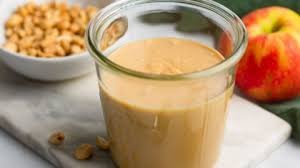

Homemade Peanut Butter Recipe
Introduction
Peanut butter is one of the most popular and versatile spreads enjoyed around the world. Its rich, nutty flavor and creamy texture make it a favorite for breakfast, snacks, desserts, and even savory dishes. While store-bought peanut butter is widely available, making it at home is surprisingly simple and often results in a fresher, healthier, and more flavorful product.
Homemade peanut butter requires only a few basic ingredients and can be customized according to your preferences. Whether you prefer it creamy, chunky, sweetened, or completely natural, preparing peanut butter at home gives you full control over the ingredients. Unlike many commercial brands that contain preservatives, artificial flavors, and added oils, homemade peanut butter can be made using just roasted peanuts.
Peanut butter is packed with protein, healthy fats, vitamins, and minerals, making it an excellent addition to a balanced diet. It can be spread on toast, blended into smoothies, used as a dip for fruits, or incorporated into baking recipes. The possibilities are endless.
This easy homemade peanut butter recipe will guide you through every step, ensuring a smooth and delicious spread that rivals any store-bought version. Once you try making your own peanut butter, you may never go back to packaged varieties again.
Preparation Time
- Preparation Time: 10 minutes
- Cooking Time: 10 minutes
- Total Time: 20 minutes
- Yield: 1 medium jar
Ingredients
- 3 cups roasted peanuts
- 1 tablespoon honey (optional)
- ½ teaspoon salt
- 1 tablespoon peanut oil or vegetable oil (optional)
- ½ teaspoon cinnamon (optional)
Instructions
Step 1: Roast the Peanuts
If using raw peanuts, roast them in a preheated oven at 180°C (350°F) for about 10 minutes until lightly golden and fragrant.
Allow the peanuts to cool slightly.
Step 2: Prepare the Food Processor
Transfer the roasted peanuts into a food processor or high-powered blender.
Step 3: Blend the Peanuts
Blend continuously for several minutes.
At first, the peanuts will become crumbly. Continue blending and they will gradually release their natural oils.
The mixture will start forming a thick paste and eventually transform into smooth peanut butter.
Step 4: Add Flavorings
Add salt, honey, cinnamon, or oil if desired.
Blend again until everything is well combined and the texture becomes creamy.
Step 5: Adjust Consistency
For thinner peanut butter, add a small amount of oil and blend further.
For chunkier peanut butter, reserve a handful of peanuts, chop them roughly, and stir them in at the end.
Step 6: Store
Transfer the peanut butter to a clean airtight glass jar.
Allow it to cool completely before sealing the jar.
Tips for Perfect Peanut Butter
Use Fresh Peanuts
Fresh, high-quality peanuts produce the best flavor and texture.
Be Patient While Blending
The peanuts may take several minutes to release their oils and become smooth.
Avoid Overheating
Pause occasionally during blending if your food processor becomes too hot.
Customize Sweetness
Adjust the amount of honey or sweetener according to your taste.
Create Different Textures
Blend longer for ultra-creamy peanut butter or leave some peanut pieces for a crunchy version.
Variations
Crunchy Peanut Butter
Mix chopped roasted peanuts into the finished spread.
Chocolate Peanut Butter
Add cocoa powder and a little honey for a chocolate-flavored version.
Cinnamon Peanut Butter
Blend in cinnamon for a warm and aromatic flavor.
Honey Peanut Butter
Increase the honey for a sweeter breakfast spread.
Vegan Peanut Butter
Skip the honey and use maple syrup if sweetness is desired.
Serving Suggestions
Peanut butter can be enjoyed in numerous ways:
- Spread on toast or bread.
- Use in sandwiches.
- Add to smoothies.
- Drizzle over pancakes and waffles.
- Serve with apple slices and bananas.
- Mix into oatmeal.
- Use in cookies and cakes.
- Add to protein shakes.
Health Benefits of Peanut Butter
Rich in Protein
Peanut butter contains plant-based protein that supports muscle growth and repair.
Heart-Healthy Fats
It provides healthy monounsaturated fats that may support heart health.
Good Source of Vitamins
Peanuts contain Vitamin E, B vitamins, and essential minerals.
High in Energy
The combination of healthy fats and protein makes peanut butter a satisfying and energy-rich food.
Supports Satiety
Peanut butter helps keep you full longer, reducing unnecessary snacking.
Storage Instructions
Store peanut butter in a clean airtight container.
- Room Temperature: Up to 2 weeks
- Refrigerator: Up to 2 months
Natural oil separation is normal. Simply stir before using.
Frequently Asked Questions
Why is my peanut butter dry?
The peanuts may not have released enough oil. Continue blending or add a small amount of oil.
Can I make peanut butter without oil?
Yes. Peanuts naturally contain oils that are usually sufficient.
Can I use salted peanuts?
Yes, but reduce or omit additional salt.
Which peanuts are best?
Freshly roasted unsalted peanuts generally produce the best flavor.
Can I freeze peanut butter?
Yes. Peanut butter can be frozen in airtight containers for several months.
Nutritional Information
Peanut butter is rich in protein, healthy fats, fiber, magnesium, phosphorus, and antioxidants. When consumed in moderation, it can be a nutritious addition to a healthy diet.
Conclusion
Homemade Peanut Butter is a simple, healthy, and delicious spread that can be made with just a handful of ingredients. Its rich flavor, creamy texture, and versatility make it a kitchen staple for breakfast, snacks, and desserts. By making it at home, you can enjoy a fresher and more natural alternative to store-bought versions while customizing it exactly to your taste. Give this easy recipe a try and discover how rewarding homemade peanut butter can be.