
South Indian Rice Kanji Recipe – A Traditional Probiotic Comfort Food
Introduction
In the world of traditional Indian foods, few dishes are as simple, nourishing, and healing as Rice Kanji. Popular across South India, this humble preparation is more than just a comfort meal—it is a natural probiotic that has been consumed for generations for its digestive and cooling properties. Made using fermented rice and water, Rice Kanji is known for promoting gut health, boosting immunity, and providing hydration, especially during hot weather.
This traditional dish reflects the wisdom of ancient food practices, where nothing was wasted and every ingredient had a purpose. Often enjoyed as a breakfast or light meal, Rice Kanji is easy to prepare, budget-friendly, and incredibly beneficial for overall health. Whether you are looking for a detox meal or a soothing dish for your stomach, this probiotic-rich recipe is worth adding to your routine.
What is Rice Kanji?
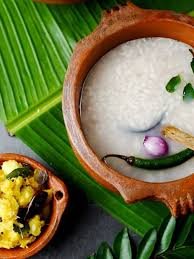
Rice Kanji, also known as fermented rice porridge, is made by soaking cooked rice in water overnight and allowing it to ferment naturally. The fermentation process enhances the nutritional value by increasing beneficial bacteria, making it a powerful probiotic food. It is commonly consumed with simple side dishes like pickles, curd, green chilies, or raw onions.
Health Benefits of Rice Kanji
- Improves Gut Health: Rich in natural probiotics that support digestion
- Boosts Immunity: Contains beneficial bacteria that strengthen the immune system
- Cooling Effect: Helps regulate body temperature in hot climates
- Hydrating: High water content keeps the body hydrated
- Energy Boosting: Provides sustained energy with minimal effort
Ingredients
Main Ingredients:
- 1 cup cooked rice (preferably leftover rice)
- 2–3 cups water
- Salt to taste
Optional Add-ons:
- 2 tbsp curd (for extra probiotic boost)
- 1 small onion (finely chopped)
- 1–2 green chilies
- Pickle (for serving)
- Curry leaves
- Mustard seeds (for tempering, optional)
Step-by-Step Instructions
Step 1: Prepare the Rice
Take leftover cooked rice and place it in a clean bowl or clay pot. Add 2–3 cups of water, ensuring the rice is fully submerged.
Step 2: Fermentation Process
Cover the bowl and leave it at room temperature overnight (8–12 hours). During this time, the rice ferments naturally, developing a slightly sour taste and probiotic properties.
Step 3: Prepare for Serving
The next morning, mash the fermented rice slightly using your hands or a spoon. Add salt to taste and mix well.
Step 4: Add Flavor (Optional)
You can enhance the taste by adding chopped onions, green chilies, or a spoon of curd. For a traditional touch, prepare a simple tempering with mustard seeds and curry leaves and mix it into the kanji.
Step 5: Serve
Serve Rice Kanji in a bowl with pickle on the side. It is best enjoyed fresh in the morning on an empty stomach.
Serving Suggestions
Rice Kanji pairs wonderfully with:
- Spicy Indian pickles
- Coconut chutney
- Fried or roasted green chilies
- Raw onions with a pinch of salt
This simple combination creates a balanced meal that is both satisfying and nourishing.
Tips for Perfect Rice Kanji
- Always use clean utensils to avoid contamination during fermentation
- Clay pots enhance the flavor and fermentation quality
- Do not refrigerate during fermentation; keep it at room temperature
- Adjust water quantity based on your preferred consistency
- Consume fresh for maximum probiotic benefits
Variations Across South India
- Tamil Nadu Style: Often served with raw onions and buttermilk
- Kerala Style (Pazhankanji): Includes fermented rice water and is sometimes paired with chammanthi
- Andhra Style: Served with spicy pickles and green chilies
- Karnataka Style: Lightly seasoned with salt and sometimes tempered
Why You Should Try This Recipe
In today’s fast-paced lifestyle, processed foods often replace traditional meals. Rice Kanji offers a return to simplicity while delivering powerful health benefits. It is a perfect example of how minimal ingredients can create a nutrient-rich dish. Affordable, easy to make, and deeply rooted in tradition, this probiotic recipe deserves a place in modern kitchens.
Conclusion
South Indian Rice Kanji is not just food—it is a time-tested remedy for better digestion, hydration, and overall wellness. Its probiotic nature makes it especially valuable in maintaining gut health naturally. Whether you are exploring traditional recipes or seeking healthier food choices, this humble dish is a must-try.
Bring back this age-old practice into your daily routine and experience the benefits of natural, homemade probiotics.