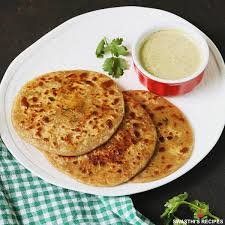

Muli Paratha Recipe (Radish Paratha) | Soft, Non-Leaky Stuffed Parathas for Winter
If you enjoy North Indian stuffed parathas, Muli Paratha deserves a top spot on your breakfast menu. Made with grated white radish (muli) mixed with spices and stuffed inside whole wheat dough, this paratha is warm, comforting, and surprisingly light despite being pan-roasted with ghee. In many Indian homes, muli paratha is a winter staple because fresh radish is easily available and tastes best during colder months. It’s commonly served with thick curd, white butter, and a tangy pickle—simple sides that make the meal feel complete and restaurant-worthy at home.
Many people hesitate to make muli paratha because radish releases a lot of water. If the stuffing is too wet, it can tear the dough while rolling, leak on the tawa, and result in uneven cooking. The good news is that this problem has an easy fix: salt, rest, and squeeze the radish properly, then add spices in the right order. Once you learn this moisture-control trick, muli paratha becomes one of the easiest stuffed parathas to master. It’s great for weekend brunch, kids’ tiffin (make it mildly spiced), or even dinner when you want something quick yet satisfying. This blog-style guide will take you through everything—dough, stuffing, rolling techniques, cooking tips, serving ideas, and storage—so you can get soft, flavorful, non-leaky parathas every time.
Ingredients (Serves 3–4 | Makes 8 Parathas)
For the Dough
-
Whole wheat flour (atta) – 2 cups
-
Salt – ½ tsp (or to taste)
-
Oil – 1 tsp
-
Water – as needed (tip: use squeezed radish water)
For the Muli Stuffing
-
White radish (muli) – 2 large (about 2 to 2½ cups grated)
-
Green chilli – 1–2, finely chopped (optional)
-
Ginger – 1 tsp, grated
-
Coriander leaves – 2 tbsp, chopped
-
Carom seeds (ajwain) – ½ tsp
-
Cumin powder – ½ tsp
-
Red chilli powder – ½ tsp (adjust to taste)
-
Garam masala – ¼ tsp (optional)
-
Amchur (dry mango powder) – ½ tsp (or lemon juice)
-
Salt – to taste (add carefully after squeezing)
For Cooking
-
Ghee or oil – as needed
Step-by-Step Muli Paratha Recipe
Step 1: Knead the dough
-
Add whole wheat flour, salt, and oil to a large bowl.
-
Mix and start kneading by adding water little by little.
-
Knead for 6–7 minutes until you get a soft, smooth dough.
-
Cover and rest the dough for 15–20 minutes.
Tip: If you want extra flavor, use the squeezed radish water while kneading. It adds a subtle radish aroma and reduces waste.
Step 2: Prep radish correctly (the key to non-leaky parathas)
-
Wash, peel, and grate the radish.
-
Sprinkle about ½ tsp salt over the grated radish and mix.
-
Let it rest for 10 minutes—this draws out moisture naturally.
-
Now squeeze the radish well with your hands (or in a muslin cloth).
-
Collect the radish water in a bowl; don’t discard it.
Important note: Don’t over-squeeze until bone-dry. You want the radish to be “moist but not dripping.” That texture makes the stuffing flavorful and easy to roll.
Step 3: Season the stuffing
Add to the squeezed radish:
-
Green chilli
-
Ginger
-
Coriander leaves
-
Ajwain
-
Cumin powder
-
Red chilli powder
-
Garam masala (optional)
-
Amchur (or a few drops of lemon)
Mix well. Taste and add salt only if needed because the radish already had salt.
Extra tip: If your radish still feels slightly watery, mix in 1–2 tbsp besan (gram flour). It absorbs moisture and improves binding without changing taste too much.
How to Stuff and Roll Muli Paratha (2 Easy Methods)
Method A: Classic stuffed paratha (most common)
-
Divide the dough into equal balls.
-
Roll one ball into a small disc (about 4–5 inches).
-
Place 2–3 tbsp stuffing in the center.
-
Bring edges together and seal tightly at the top.
-
Flatten gently, dust with flour, and roll into a 6–7 inch paratha.
Rolling tip: Use gentle pressure and rotate the paratha often. If stuffing tries to come out, dust lightly and roll slowly.
Method B: Two-roti sandwich method (best for beginners)
If stuffing leaks often, try this:
-
Roll two small rotis.
-
Spread stuffing evenly on one roti, leaving edges clean.
-
Place the second roti on top and seal edges by pressing.
-
Roll lightly once or twice to even the thickness.
This method reduces tearing and is very beginner-friendly.
Step 4: Cook on tawa (perfect golden spots)
-
Heat a tawa on medium-high flame.
-
Place the paratha on the hot tawa. Cook until small bubbles appear (20–30 seconds).
-
Flip and cook the other side for 20–30 seconds.
-
Apply ghee/oil on the cooked side, flip again, apply on the other side.
-
Cook until both sides have golden-brown spots.
-
Press lightly with a spatula for even cooking, especially around edges.
Pro tip: Don’t cook on very low flame for too long—parathas can turn dry. Medium-high gives soft texture with a nice roast.
Best Serving Suggestions
Muli paratha tastes best when served hot with:
-
Thick curd (add roasted cumin + salt for quick raita)
-
White butter (classic Punjabi style)
-
Mango pickle or lemon pickle
-
Green chutney
-
Masala chai (winter comfort combo)
-
For dinner: serve with dal or a light vegetable curry
Tips to Make Perfect Muli Paratha Every Time
-
Squeeze radish well: this is the #1 rule to avoid leaking.
-
Add salt carefully: salt pulls out more water, so add at the end.
-
Use ajwain: it improves flavor and supports digestion.
-
Roll gently: keep parathas medium thick for best stuffing balance.
-
Use ghee for taste: ghee makes it truly street/restaurant style.
-
Add besan if needed: absorbs moisture and helps binding.
Storage & Make-Ahead Notes
-
Stuffing is best used immediately. If you keep it longer, it may release water again.
-
Dough can be refrigerated for up to 1 day in an airtight container.
-
Cooked parathas can be stored for 1 day; reheat on tawa with a few drops of ghee.
-
For lunchbox: cool parathas fully before packing to avoid sogginess.