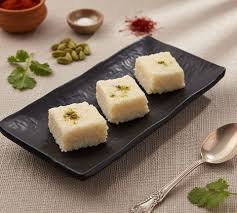

Kalakand Recipe – Soft, Moist and Traditional Indian Milk Sweet
Introduction
Kalakand is a timeless Indian milk-based sweet that perfectly captures the richness of traditional mithai with a simple, comforting taste. Loved for its soft, moist, and slightly grainy texture, kalakand is often associated with festivals, family celebrations, and special occasions. Unlike many Indian sweets that are soaked in sugar syrup or require deep frying, kalakand is gently cooked and mildly sweet, allowing the natural flavor of milk to shine through. Traditionally, it was prepared by slow-cooking curdled milk for hours, but modern home recipes using paneer and condensed milk make it much quicker and more convenient while retaining authentic halwai-style taste.
What is Kalakand?
Kalakand is a classic Indian dessert made from milk solids. Its defining feature is its moist yet crumbly texture, which sets it apart from barfi or peda. The dessert is gently flavored with cardamom and topped with nuts, giving it a rich but not overpowering taste. Because of its balanced sweetness and soft bite, kalakand is enjoyed by both children and elders alike.
Ingredients
-
Fresh paneer (crumbled) – 250 grams
-
Sweetened condensed milk – ½ cup
-
Full cream milk – ½ cup
-
Ghee – 1 tablespoon
-
Cardamom powder – ½ teaspoon
-
Chopped pistachios – 2 tablespoons
-
Chopped almonds – 1 tablespoon
-
Saffron strands (optional) – a few
Step-by-Step Kalakand Recipe
Step 1: Prepare the Paneer
Crumble fresh paneer gently using your fingers.
Do not mash or blend it into a paste, as the grainy texture is essential for authentic kalakand.
Step 2: Start Cooking the Base
Heat ghee in a heavy-bottomed pan on low flame.
Add full cream milk and allow it to warm slightly.
Add the crumbled paneer and mix gently until well combined.
Step 3: Add Condensed Milk
Reduce the flame and add condensed milk.
Stir continuously to prevent sticking or burning.
Cook for 10–12 minutes until the mixture thickens and starts leaving the sides of the pan.
Step 4: Flavoring
Add cardamom powder and saffron strands.
Mix well and cook for another 2–3 minutes.
The mixture should remain moist and soft, not dry or crumbly.
Step 5: Setting the Kalakand
Grease a tray or plate lightly with ghee.
Transfer the mixture and spread evenly using a spatula.
Garnish with chopped pistachios and almonds, pressing them lightly into the surface.
Step 6: Resting and Cutting
Allow the kalakand to set at room temperature for 1–2 hours.
Once firm, cut into square or diamond-shaped pieces with a sharp knife.
Serving Suggestions
Kalakand tastes best when served at room temperature.
It can be enjoyed:
-
As a festive dessert after meals
-
With hot masala chai or filter coffee
-
As part of an Indian sweets platter
It also makes a wonderful homemade gift during festivals.
Common Mistakes to Avoid
-
Overcooking the mixture, which makes kalakand dry
-
Using hard or frozen paneer
-
Cooking on high flame
-
Skipping continuous stirring
Popular Kalakand Variations
-
Rose Kalakand – add rose water or gulkand
-
Mango Kalakand – mix fresh mango pulp
-
Chocolate Kalakand – add cocoa powder
-
Kesar Kalakand – increase saffron for royal aroma
Storage Instructions
Store kalakand in an airtight container in the refrigerator.
It stays fresh for 2–3 days.
Before serving, bring it to room temperature to restore softness and flavor.
Why Kalakand is Perfect for Home Cooking
-
Requires minimal ingredients
-
No sugar syrup or deep frying
-
Beginner-friendly recipe
-
Quick preparation compared to traditional mithai
-
Universally loved texture and taste
-
Why Kalakand is Perfect for Home Cooking
-
Requires minimal ingredients
-
No sugar syrup or deep frying
-
Beginner-friendly recipe
-
Quick preparation compared to traditional mithai
-
Universally loved texture and tast
-
Why Kalakand is Perfect for Home Cooking
-
Requires minimal ingredients
-
No sugar syrup or deep frying
-
Beginner-friendly recipe
-
Quick preparation compared to traditional mithai
-
Universally loved texture and tast
-
-