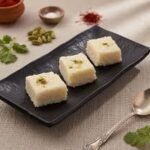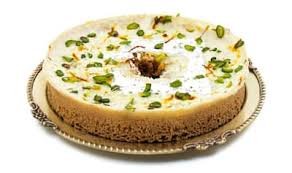

Ghevar Recipe – Traditional Rajasthani Sweet
Ghevar is a royal and traditional sweet from Rajasthan, especially popular during the monsoon season and festivals like Teej and Raksha Bandhan. Known for its unique honeycomb texture and crisp structure, ghevar is prepared by frying a special batter in ghee and then soaking it in fragrant sugar syrup. Though ghevar looks intricate and festive, it can be made at home with the right technique, patience, and temperature control. This iconic dessert represents celebration, heritage, and the richness of Rajasthani cuisi
What is Ghevar?
Ghevar is a disc-shaped Indian sweet with a porous, net-like structure. It is traditionally made using refined flour batter poured slowly into hot ghee, creating multiple layers and holes. Once fried, it is dipped in sugar syrup and garnished with dry fruits. Variations include plain ghevar, malai ghevar, and kesar ghevar.
Ingredients
For Ghevar Batter
- Refined flour (maida) – 1 cup
- Desi ghee (for shortening) – ½ cup
- Cold water – 1 cup
- Milk – 2 tablespoons
- Lemon juice – 1 teaspoon
For Frying
- Desi ghee – enough for deep frying
For Sugar Syrup
- Sugar – 1½ cups
- Water – ¾ cup
- Cardamom powder – ½ teaspoon
- Saffron strands – a few
For Garnishing (Optional)
- Slivered almonds
- Chopped pistachios
- Edible silver leaf
How to Make Ghevar at Home
Step 1: Prepare the Shortening (Moyan)
In a large bowl, mix refined flour and ghee.
Rub the mixture between your fingers until it resembles breadcrumbs.
When pressed, the mixture should hold its shape—this ensures a crispy ghevar.
Step 2: Prepare the Batter
Gradually add cold water to the flour mixture while whisking continuously.
Add milk and lemon juice and whisk until smooth.
The batter should be thin, lump-free, and flowing—similar to buttermilk consistency.
Step 3: Prepare Sugar Syrup
In a pan, boil sugar and water until one-string consistency is achieved.
Add cardamom powder and saffron.
Keep the syrup warm.
Step 4: Heat the Ghee
Heat ghee in a deep, heavy-bottomed pan.
The ghee should be medium-hot—not smoking.
Correct temperature is key to forming ghevar’s honeycomb texture.
Step 5: Fry the Ghevar
Slowly pour a ladle of batter into the center of the hot ghee.
Allow bubbles to form and holes to develop naturally.
Repeat pouring batter in the center in intervals to build layers.
Lightly press the center so the ghevar spreads evenly.
Step 6: Fry Until Crisp
Cook ghevar on low to medium heat until it turns golden and crisp.
This process takes time—avoid rushing.
Once done, carefully remove and drain excess ghee.
Step 7: Soak in Sugar Syrup
Dip the fried ghevar into warm sugar syrup.
Ensure syrup coats both sides evenly.
Remove and place on a serving plate.
Garnishing Ghevar
Top ghevar with chopped almonds, pistachios, and silver leaf.
For Malai Ghevar, spread thick rabri or fresh cream on top before garnishing.
Types of Ghevar
- Plain Ghevar
- Malai Ghevar
- Kesar Ghevar
- Dry Fruit Ghevar
Each variation adds richness and festive appeal.
Tips for Perfect Ghevar
- Always use cold water for batter
- Maintain medium heat while frying
- Use a deep and wide pan
- Be patient—ghevar takes time
- Quality ghee enhances flavor
When to Serve Ghevar
- Teej Festival
- Raksha Bandhan
- Weddings and family celebrations
- Monsoon season desserts
Storage Suggestions
Ghevar stays crisp for 2–3 days when stored in an airtight container without syrup.
Once soaked in syrup, consume within 24 hours for best taste.