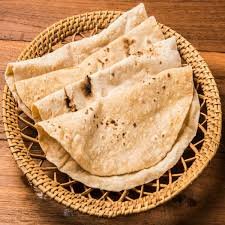

Chapati Recipe – Soft Homemade Indian Flatbread
Introduction
Chapati, also known as roti, is one of the most essential and comforting foods in Indian households. Simple, wholesome, and deeply rooted in everyday Indian cuisine, chapati is more than just a flatbread—it is a symbol of nourishment and balance. Made with just whole wheat flour and water, chapati is light on the stomach, rich in fiber, and pairs beautifully with almost every Indian curry, dal, or vegetable dish.
Across India, chapati is prepared daily in millions of kitchens, each with its own small variations. Some prefer thinner rotis, others like them slightly thicker and softer. What remains common is the technique of kneading the dough properly and cooking it on a hot tawa to achieve that perfect puff. In this blog post, you’ll learn how to make soft, puffed chapatis at home, along with tips to keep them fresh and tender for longer.
What Is Chapati?
Chapati is an unleavened flatbread traditionally made from whole wheat flour (atta). Unlike naan, chapati does not use yeast or baking powder. It is cooked on a flat pan called a tawa and often finished directly over flame to make it puff up. Because it uses minimal oil or fat, chapati is considered one of the healthiest Indian breads.
Ingredients for Chapati
-
2 cups whole wheat flour (atta)
-
¾ cup water (approximate, adjust as needed)
-
½ teaspoon salt (optional)
-
1 teaspoon oil or ghee (optional, for softer rotis)
-
Dry flour for dusting
How to Make Chapati Step by Step
Step 1: Prepare the Dough
In a wide mixing bowl, add whole wheat flour and salt (if using). Gradually add water and start mixing with your fingers. Bring the flour together to form a soft dough.
Step 2: Knead the Dough
Transfer the dough to a clean surface and knead for 8–10 minutes. Use the heel of your palm to push the dough forward, fold it back, and repeat. Add a few drops of oil if needed. The dough should be soft, smooth, and slightly elastic.
Step 3: Rest the Dough
Cover the dough with a damp cloth and let it rest for at least 20–30 minutes. Resting relaxes the gluten and makes rolling the chapatis easier and softer.
Step 4: Divide the Dough
After resting, knead the dough lightly again. Divide it into equal-sized balls, roughly the size of a lemon. Roll each ball between your palms to make it smooth.
Step 5: Roll the Chapati
Dust a dough ball with dry flour and flatten it slightly. Using a rolling pin, roll it into a thin, round circle about 6–7 inches in diameter. Avoid using too much dry flour.
Step 6: Heat the Tawa
Heat a heavy-bottomed tawa or skillet on medium-high heat. The tawa should be hot but not smoking.
Step 7: Cook the Chapati
Place the rolled chapati on the hot tawa. Cook until bubbles appear on the surface and the bottom develops light brown spots. Flip and cook the other side.
Step 8: Puff the Chapati
Using tongs, place the chapati directly on an open flame. It will puff up fully. Flip once to cook evenly. Remove from flame.
Step 9: Finish and Serve
Optionally brush with a little ghee or butter. Serve hot.
Tips for Making Soft Chapatis
-
Always use fresh whole wheat flour
-
Knead the dough soft, not stiff
-
Resting the dough is very important
-
Roll evenly for proper puffing
-
Cook on medium-high heat for best texture
Common Chapati Mistakes to Avoid
-
Adding too much water while kneading
-
Skipping the resting time
-
Cooking on low heat
-
Pressing too hard with the rolling pin
-
Using excessive dry flour
Health Benefits of Chapati
Chapati is high in dietary fiber, supports digestion, and provides sustained energy. It is low in fat and cholesterol-free, making it ideal for daily consumption. Chapati is also diabetic-friendly when eaten in moderation and paired with protein-rich foods.
Serving Suggestions
Chapati pairs well with:
-
Dal tadka
-
Vegetable curries
-
Paneer dishes
-
Chicken or mutton curry
-
Curd and pickle for a simple meal
How to Store Chapatis
Freshly cooked chapatis are best, but they can be stored wrapped in a cloth for 4–5 hours. For longer storage, keep them in an airtight container in the refrigerator and reheat on a tawa before serving.
Final Thoughts
Chapati is a timeless Indian staple that proves simplicity can be incredibly satisfying. With just a few basic ingredients and the right technique, you can make perfectly soft and puffed chapatis every time. Once you master this recipe, chapati-making will become an effortless and rewarding part of your daily cooking routine.