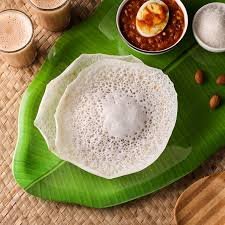

Appam Recipe – Soft, Lacy & Authentic South Indian Appam
Introduction
Appam is a traditional South Indian rice pancake known for its soft, fluffy center and crisp, lacy edges. Popular in Kerala and parts of Tamil Nadu, appam is a naturally fermented dish that pairs beautifully with coconut milk, vegetable stew, or spicy curries. Made primarily with rice flour and coconut, appam is light on the stomach yet incredibly satisfying. The subtle sweetness, airy texture, and delicate aroma make it a favorite for breakfast, brunch, or even dinner. This recipe shows you how to make authentic appam at home with simple ingredients and foolproof steps.
What is Appam?
Appam is a fermented rice pancake cooked in a special curved pan called an appachatti. Unlike dosa, appam batter is thin and mildly fermented, resulting in a pancake that is soft in the center with crisp, lace-like edges. Traditionally, appam is made using rice and coconut and lightly sweetened, making it versatile enough to pair with both sweet and savory dishes.
Ingredients
- Raw rice – 2 cups
- Cooked rice – ½ cup
- Fresh grated coconut – 1 cup
- Dry yeast – 1 teaspoon
- Sugar – 2 teaspoons
- Salt – to taste
- Water – as required
- Oil – for greasing the pan
(Optional)
- Coconut milk – 2 tablespoons (for richer flavor)
How to Make Appam Batter
Step 1: Soak the Rice
Wash raw rice thoroughly and soak it in water for 4–5 hours.
Proper soaking helps achieve a smooth batter and good fermentation.
Step 2: Grind the Batter
Drain soaked rice and add it to a blender along with cooked rice and grated coconut.
Add water gradually and grind to a smooth, flowing batter.
The batter should be slightly thinner than dosa batter.
Step 3: Activate Yeast
In a small bowl, mix yeast, sugar, and ¼ cup lukewarm water.
Let it rest for 5–10 minutes until frothy.
Step 4: Ferment the Batter
Add activated yeast to the batter and mix well.
Cover and allow it to ferment for 8–10 hours or overnight in a warm place.
Once fermented, the batter will appear bubbly and slightly risen.
Add salt and gently mix before cooking.
How to Make Appam
Step 1: Heat the Pan
Heat an appam pan or small kadai on medium heat.
Lightly grease it with oil.
Step 2: Pour the Batter
Pour one ladle of batter into the center of the pan.
Lift the pan and swirl gently so the batter spreads along the sides, forming thin edges while the center remains thick.
Step 3: Cook the Appam
Cover and cook on low to medium heat for 2–3 minutes.
The edges should turn crisp and golden while the center stays soft and fluffy.
No flipping required.
Step 4: Remove and Repeat
Gently remove the appam and repeat the process with remaining batter.
Serving Suggestions
Appam tastes best when served hot and fresh.
Pair it with:
- Vegetable stew
- Coconut milk and sugar
- Kadala curry
- Vegetable korma
- Egg curry
This combination makes appam a complete and wholesome meal.
Tips for Perfect Appam
- Batter consistency is key—neither thick nor watery
- Always ferment in a warm place
- Do not overmix after fermentation
- Use fresh coconut for authentic taste
- Cook on low heat for soft centers
Common Mistakes to Avoid
- Thick batter leading to dense appams
- Over-fermentation causing sour taste
- High heat resulting in burnt edges
- Skipping cooked rice (affects softness)
Variations of Appam
- Palappam – extra coconut milk for richness
- Sweet Appam – add jaggery and cardamom
- Instant Appam – using yeast and rice flour
- Kallappam – fermented with toddy (traditional)
Storage Instructions
Appam batter can be stored in the refrigerator for up to 24 hours.
Stir gently before use.
Cooked appams are best consumed fresh.
Why Appam is So Popular
- Naturally fermented and light
- Gluten-free and vegan
- Soft yet crispy texture
- Pairs with many curries
- Traditional and comforting