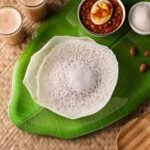

Appa Recipe (Appe / Paniyaram) – Crispy Outside, Soft Inside South Indian Snack
Introduction
Appa, also known as Appe or Paniyaram, is a traditional South Indian snack made using fermented idli or dosa batter. These small, round dumplings are cooked in a special appe pan, giving them a golden, crisp exterior and a soft, fluffy interior. Appa is widely loved because it is light, nutritious, and incredibly versatile. It can be served for breakfast, as an evening snack, or packed into lunchboxes. One of the biggest advantages of appa is that it makes excellent use of leftover batter, transforming it into a completely new and exciting dish. Served with coconut chutney or sambar, appa is comfort food with character.
What is Appa (Appe / Paniyaram)?
Appa is prepared by pouring fermented batter into small cavities of an appe pan and cooking it slowly with minimal oil. The fermentation gives appa a light texture and mild tangy flavor, making it easy to digest. While the basic version uses plain batter, many variations include onions, vegetables, herbs, and spices. This makes appa both customizable and nutritionally balanced. In South Indian households, appa is often prepared when there is leftover idli or dosa batter, making it a practical and economical dish.
Ingredients
-
Idli or dosa batter – 2 cups
-
Onion (finely chopped) – 1 medium
-
Green chilli (finely chopped) – 1–2
-
Ginger (grated) – 1 teaspoon
-
Mustard seeds – ½ teaspoon
-
Cumin seeds – ½ teaspoon
-
Curry leaves (chopped) – 8–10
-
Oil – as required
-
Salt – to taste
Optional Vegetables
-
Grated carrot – ¼ cup
-
Finely chopped capsicum – ¼ cup
-
Green peas – 2 tablespoons
How to Make Appa (Step-by-Step)
Step 1: Prepare the Tempering
Heat 1 tablespoon oil in a small pan.
Add mustard seeds and allow them to splutter.
Add cumin seeds, curry leaves, green chilli, and ginger.
Add onions and sauté until soft and lightly golden.
Step 2: Prepare the Batter
Transfer the idli or dosa batter into a mixing bowl.
Add the prepared tempering along with salt.
Mix in the optional vegetables if using.
Stir gently until everything is evenly combined.
The batter should be thick but easily spoonable.
Step 3: Heat the Appe Pan
Heat the appe pan on medium flame.
Add a few drops of oil into each cavity to prevent sticking.
Step 4: Cook the Appa
Pour one spoonful of batter into each cavity.
Cover and cook for 2–3 minutes on low to medium heat.
When the bottom becomes golden, flip each appa carefully.
Step 5: Cook the Other Side
Add a few drops of oil if needed.
Cook the flipped side for another 2 minutes until crisp and evenly cooked.
Remove and repeat with remaining batter.
Serving Suggestions
Appa tastes best when served hot.
Serve it with:
-
Coconut chutney
-
Tomato chutney
-
Mint chutney
-
Sambar
It also works well as a party snack or kids’ tiffin item.
Health Benefits of Appa
-
Made from fermented batter, aiding digestion
-
Uses very little oil
-
Can be loaded with vegetables for added nutrition
-
Light yet filling
-
Suitable for all age groups
Tips for Perfect Appa
-
Always use well-fermented batter
-
Do not overcrowd the pan
-
Cook on medium heat for even browning
-
Chop vegetables finely for uniform cooking
-
Use a non-stick appe pan for best results
Common Mistakes to Avoid
-
Using thick, unfermented batter
-
Cooking on very high heat
-
Overfilling the cavities
-
Skipping oil completely (leads to sticking)
Popular Variations of Appa
-
Vegetable Appa – packed with mixed vegetables
-
Cheese Appa – kid-friendly version
-
Ragi Appa – healthier, high-fiber option
-
Suji Appa – instant version without fermentation
-
Masala Appa – spiced with podi or garam masala
Storage Instructions
The batter can be refrigerated for up to 24 hours.
Cooked appa is best eaten fresh but can be reheated on a pan if required.
Why Appa is a Household Favorite
-
Quick and easy to prepare
-
Minimal ingredients
-
Budget-friendly
-
Customizable flavors
-
Perfect use of leftover batter