🥜 Peanut Sesame Laddu Recipe | Healthy Winter Sweet with Jaggery (600+ Words)
Winter is the perfect season to enjoy warm, nutritious Indian sweets, and peanut sesame laddu stands out as one of the healthiest and most energy-rich options. Made with roasted peanuts, sesame seeds, and jaggery, this traditional recipe has been part of Indian kitchens for generations. The combination of peanuts and sesame provides protein, good fats, calcium, and minerals, while jaggery supports immunity and digestion. Whether you want a healthy snack for kids, a winter special sweet, or a long-lasting energy booster, peanut sesame laddu is a perfect choice.
In this detailed guide, you will learn how to make soft, delicious, and perfectly textured peanut sesame laddu at home using simple ingredients. This 600+ word recipe includes tips, variations, storage instructions, and health benefits to make your blog post more informative and SEO-friendly.
⭐ What is Peanut Sesame Laddu?
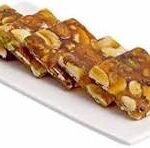
Peanut sesame laddu is a traditional Indian sweet made by mixing roasted peanuts and sesame seeds with melted jaggery. The mixture is shaped into small round laddus while still warm. This sweet is especially popular during winter festivals like Makar Sankranti, Lohri, and Pongal because sesame and jaggery help generate warmth in the body. It is also widely eaten as a natural energy booster by children, elderly people, and those who need extra nutrition.
🍽️ Ingredients for Peanut Sesame Laddu
-
White sesame seeds – 1 cup
-
Peanuts – 1 cup (roasted and coarsely crushed)
-
Jaggery – ¾ cup (grated)
-
Ghee – 1 tablespoon
-
Cardamom powder – ½ teaspoon
👩🍳 How to Make Peanut Sesame Laddu – Step-by-Step
1. Roast the Sesame Seeds
Heat a pan on low flame and dry roast sesame seeds. Stir continuously until they turn slightly golden and aromatic. Sesame seeds roast very quickly, so keep an eye on them to avoid burning. Once done, transfer them to a plate to cool.
2. Roast and Crush the Peanuts
Roast peanuts until they turn crisp. Let them cool, remove the skin by rubbing them between your palms, and crush them coarsely. Peanuts add texture and a nutty flavor to the peanut sesame laddu.
3. Melt the Jaggery
Heat ghee in a pan and add grated jaggery. Allow it to melt slowly on low flame. Stir continuously until the jaggery starts bubbling. This stage indicates it’s ready for forming the laddu mixture.
4. Combine Everything
Add the roasted sesame seeds, crushed peanuts, and cardamom powder to the melted jaggery. Mix well so all ingredients are evenly coated.
5. Shape the Laddus
Grease your hands with a little ghee. While the mixture is still warm, take small portions and shape them into round laddus. Once cooled, they will firm up and hold shape beautifully.
💡 Tips for Perfect Peanut Sesame Laddu
-
Always keep the flame low while melting jaggery to avoid hardening.
-
If mixture becomes hard before shaping, warm it slightly to soften it.
-
For extra health benefits, use organic jaggery.
-
Adding a pinch of dry ginger powder enhances winter warmth.
🧈 Healthy Variations
-
Add Flax Seeds: To increase omega-3 fatty acids.
-
Add Coconut: Grated dry coconut gives extra flavor.
-
Make Sugar-Free Version: Skip jaggery and add dates paste (khajoor).
🍱 How to Store Peanut Sesame Laddu
Once the laddus cool completely, store them in an airtight container. They stay fresh for 15–20 days at room temperature because sesame and peanuts are naturally long-lasting ingredients..
💪 Health Benefits of Peanut Sesame Laddu
-
Excellent source of plant-based protein
-
Improves bone strength due to high calcium
-
Boosts energy and immunity
-
Helps keep the body warm in winter
-
Supports digestion through jaggery’s minerals
Peanut sesame laddu is not just a sweet—it’s a wholesome superfood.