
Egg Lababdar Recipe – Rich, Creamy & Restaurant-Style
Introduction
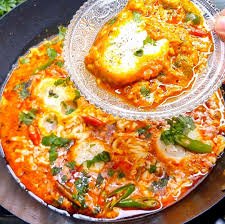
Egg Lababdar is a rich, creamy, and flavorful North Indian curry that perfectly combines boiled eggs with a luscious tomato-onion gravy infused with aromatic spices, butter, and fresh cream. Inspired by the famous Mughlai cuisine, this dish offers a delightful balance of tanginess, sweetness, and mild spice, making it a favorite in restaurants across India.
Whether you’re preparing a special weekend dinner, hosting guests, or simply craving a comforting meal, Egg Lababdar is an excellent choice. It pairs beautifully with naan, butter roti, paratha, jeera rice, or steamed basmati rice. The silky gravy and perfectly cooked eggs make every bite incredibly satisfying.
In this recipe, you’ll learn how to make authentic restaurant-style Egg Lababdar at home using simple pantry ingredients. Follow the step-by-step instructions below to recreate this delicious dish in your own kitchen.
Egg Lababdar Recipe
Preparation Time
15 minutes
Cooking Time
30 minutes
Total Time
45 minutes
Servings
4 servings
Cuisine
North Indian
Course
Main Course
Ingredients
For Boiled Eggs
- 6 eggs
- Water (for boiling)
- ½ teaspoon salt
For Gravy
- 3 medium onions (roughly chopped)
- 4 large tomatoes (roughly chopped)
- 10 cashew nuts
- 1 tablespoon butter
- 2 tablespoons oil
- 1 teaspoon ginger paste
- 1 teaspoon garlic paste
- 2 green chilies (optional)
- 1 teaspoon cumin seeds
- 1 bay leaf
- 1-inch cinnamon stick
- 2 green cardamoms
- 3 cloves
Spices
- 1 teaspoon turmeric powder
- 1 teaspoon Kashmiri red chili powder
- 1 teaspoon coriander powder
- ½ teaspoon cumin powder
- ½ teaspoon garam masala
- Salt to taste
- 1 teaspoon kasuri methi (crushed)
- 1 teaspoon sugar (optional)
For Creaminess
- ¼ cup fresh cream
- 2 tablespoons grated paneer (optional)
- 1 tablespoon butter
Garnishing
- Fresh coriander leaves
- Fresh cream drizzle
- Grated paneer (optional)
How to Make Egg Lababdar
Step 1: Boil the Eggs
Boil the eggs for about 10–12 minutes. Transfer them to cold water, peel the shells, and lightly score or prick the eggs using a fork so they absorb the gravy better.
Step 2: Prepare the Onion-Tomato Base
Heat a little oil in a pan.
Add:
- Onions
- Tomatoes
- Cashews
Cook for about 10–12 minutes until everything becomes soft.
Allow the mixture to cool completely.
Blend into a smooth paste.
Step 3: Temper the Whole Spices
Heat oil and butter together in a heavy-bottom pan.
Add:
- Cumin seeds
- Bay leaf
- Cinnamon
- Cardamom
- Cloves
Let them release their aroma for about 30 seconds.
Step 4: Cook Ginger-Garlic
Add ginger paste and garlic paste.
Cook for 1–2 minutes until the raw smell disappears.
Step 5: Cook the Gravy
Add the prepared onion-tomato paste.
Cook on medium heat for about 8–10 minutes.
Keep stirring until oil starts separating from the masala.
Step 6: Add the Spices
Mix in:
- Turmeric
- Kashmiri chili powder
- Coriander powder
- Cumin powder
- Salt
Cook for another 3–4 minutes.
If the gravy becomes too thick, add a little water.
Step 7: Add Cream
Lower the flame.
Add:
- Fresh cream
- Butter
- Sugar (optional)
Mix well.
The gravy should now look rich, silky, and glossy.
Step 8: Add Eggs
Gently place the boiled eggs into the gravy.
Simmer for about 5–7 minutes so the eggs absorb all the flavors.
Sprinkle crushed kasuri methi and garam masala.
Mix gently.
Step 9: Garnish
Top with:
- Fresh cream
- Coriander leaves
- Grated paneer (optional)
Serve immediately.
Serving Suggestions
Egg Lababdar tastes amazing with:
- Butter Naan
- Garlic Naan
- Tandoori Roti
- Lachha Paratha
- Roomali Roti
- Jeera Rice
- Steamed Basmati Rice
- Pulao
A fresh salad and onion rings complement the rich curry perfectly.
Tips for the Best Egg Lababdar
- Use ripe red tomatoes for a naturally sweet gravy.
- Cashews make the gravy creamy without needing excessive cream.
- Kashmiri chili powder gives a vibrant color without making the curry overly spicy.
- Cook the masala until oil separates for authentic restaurant flavor.
- Crush kasuri methi between your palms before adding it.
- Prick the boiled eggs lightly so they absorb the gravy.
- Add cream only on low heat to prevent curdling.
- Butter enhances the restaurant-style richness.
Variations
Dhaba Style
Use extra butter and smoked charcoal (dhungar method) for a smoky flavor.
Spicy Version
Increase green chilies and red chili powder.
Rich Mughlai Style
Add melon seeds, almonds, and extra cream.
Protein-Rich Version
Add grated paneer along with eggs.
Storage
Store leftovers in an airtight container in the refrigerator for up to 2 days.
Reheat gently over low heat. Add a splash of water or milk if the gravy thickens.
Avoid freezing as the cream-based gravy may separate after thawing.
Frequently Asked Questions
Can I make Egg Lababdar without cream?
Yes. Substitute cream with milk, fresh malai, or cashew paste for a creamy texture.
Is Egg Lababdar spicy?
It is mildly spicy. You can adjust the spice level according to your preference.
Can I prepare the gravy in advance?
Yes. Prepare the gravy a day ahead and refrigerate it. Add boiled eggs while reheating before serving.
Which bread pairs best with Egg Lababdar?
Butter naan, garlic naan, lachha paratha, and tandoori roti are excellent choices.
Can I add paneer?
Yes. Adding grated or cubed paneer makes the dish richer and more filling.
Conclusion
Egg Lababdar is one of the most indulgent egg curries you can prepare at home. Its velvety tomato-cashew gravy, aromatic spices, buttery richness, and perfectly cooked eggs create a restaurant-quality meal that’s surprisingly easy to make. Whether served with naan or fragrant rice, this dish is guaranteed to impress family and guests alike. Try this delicious Egg Lababdar recipe today and enjoy a comforting North Indian classic right from your own kitchen.