
Thatte Idli Recipe – Soft, Fluffy & Authentic Karnataka-Style Idli
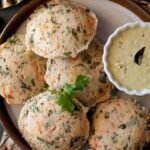
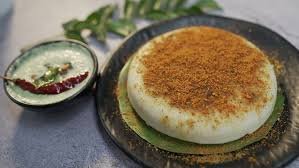
If you love soft, pillowy idlis that practically melt in your mouth, then Thatte Idli is a recipe you must try. Originating from Karnataka, Thatte Idli is a larger, flatter, and softer version of the regular idli. The word “Thatte” means “plate” in Kannada, referring to the special plate-like molds used to prepare these delicious steamed rice cakes.
Unlike regular idlis that are smaller and thicker, Thatte Idlis are wide, soft, and exceptionally spongy. Their airy texture makes them perfect for soaking up flavorful chutneys and aromatic sambar. Popular across Karnataka, especially in Bengaluru and surrounding regions, these idlis are commonly served in restaurants, roadside eateries, and homes as a hearty breakfast or light meal.
The secret behind the softness of Thatte Idli lies in the perfect combination of rice, urad dal, poha (flattened rice), and proper fermentation. Although the preparation requires a little planning due to soaking and fermenting, the final result is absolutely worth the effort.
In this detailed recipe guide, you’ll learn how to make authentic Karnataka-style Thatte Idlis at home with simple ingredients, step-by-step instructions, useful tips, and serving suggestions.
Why You’ll Love This Recipe
- Extra soft and fluffy texture
- Authentic Karnataka-style preparation
- Healthy steamed breakfast
- Naturally fermented
- Easy to digest
- Perfect with chutney and sambar
- Great for family breakfasts
What is Thatte Idli?
Thatte Idli is a traditional Karnataka specialty made from fermented rice and lentil batter. Unlike conventional idlis, these are steamed in large flat molds, resulting in broad, plate-shaped idlis that are exceptionally light and airy.
Their texture is softer than regular idlis, making them one of the most popular breakfast dishes in South India.
Ingredients
For the Batter
- 3 cups idli rice
- 1 cup urad dal (split black gram)
- ½ cup poha (flattened rice)
- 1 teaspoon fenugreek seeds
- Salt to taste
- Water as required
For Greasing
- 1 teaspoon oil or ghee
Equipment Needed
- Large mixing bowls
- Wet grinder or blender
- Fermentation container
- Thatte idli plates or shallow steel plates
- Steamer or idli cooker
Step-by-Step Instructions
Step 1: Wash and Soak
Wash the rice thoroughly 2–3 times.
Soak rice in plenty of water for 6 hours.
In another bowl, soak urad dal and fenugreek seeds together for 4–6 hours.
Soak poha separately for 20 minutes before grinding.
Step 2: Grind the Urad Dal
Drain the soaked urad dal.
Grind using a wet grinder or blender.
Add water gradually.
Grind until light, fluffy, and smooth.
Transfer to a large bowl.
Step 3: Grind the Rice
Drain the rice.
Grind to a slightly coarse texture.
Do not make it completely smooth.
Add soaked poha while grinding.
Mix well until combined.
Step 4: Combine the Batter
Mix the rice batter and urad batter together.
Use clean hands to mix thoroughly.
This helps promote fermentation.
The batter should be thick yet pourable.
Step 5: Fermentation
Cover the bowl loosely.
Keep in a warm place for 8–12 hours.
The batter should double in volume.
Once fermented, add salt and mix gently.
Step 6: Prepare the Steamer
Grease the Thatte Idli plates lightly with oil or ghee.
Heat water in the steamer.
Bring it to a gentle boil.
Step 7: Steam the Idlis
Pour batter into the greased plates.
Fill each mold about three-quarters full.
Place inside the steamer.
Steam for 12–15 minutes.
Insert a toothpick to check doneness.
If it comes out clean, the idlis are ready.
Step 8: Cool and Remove
Allow the idlis to rest for 2 minutes.
Carefully remove using a spoon.
Serve hot.
Tips for Soft and Fluffy Thatte Idlis
Use Good Quality Urad Dal
Fresh urad dal creates a lighter batter.
Grind Properly
Well-aerated urad batter is key to soft idlis.
Don’t Skip Poha
Poha improves softness and moisture.
Ferment Correctly
Proper fermentation creates the characteristic spongy texture.
Steam on Medium Heat
Avoid high heat as it may make the idlis dense.
Health Benefits of Thatte Idli
Low in Fat
Steamed without frying.
Rich in Protein
Urad dal contributes plant-based protein.
Easy to Digest
Fermentation improves digestibility.
Good Source of Energy
Rice provides sustained carbohydrates.
Gut-Friendly
Fermented foods support healthy digestion.
Best Accompaniments
Coconut Chutney
The classic pairing.
Peanut Chutney
Adds nutty flavor and protein.
Tomato Chutney
Tangy and spicy.
Vegetable Sambar
A wholesome lentil stew that complements the soft idlis perfectly.
Idli Podi
A flavorful South Indian spice powder mixed with sesame oil.
Storage Tips
Refrigeration
Store leftover idlis in an airtight container for up to 2 days.
Reheating
Steam for 3–4 minutes before serving.
Batter Storage
Fermented batter can be refrigerated for up to 4 days.
Variations
Rava Thatte Idli
Replace part of the rice with semolina.
Millet Thatte Idli
Use millets for a healthier version.
Vegetable Thatte Idli
Add grated carrots and finely chopped vegetables.
Oats Thatte Idli
Mix powdered oats into the batter.
Masala Thatte Idli
Add green chilies, ginger, and coriander to the batter.
Common Mistakes to Avoid
Insufficient Fermentation
This results in dense and flat idlis.
Too Much Water
A watery batter can produce sticky idlis.
Over-Steaming
Excess steaming may make idlis dry.
Old Urad Dal
Fresh dal provides better volume and texture.
Mixing Batter Aggressively After Fermentation
Gentle mixing helps preserve air bubbles.
Frequently Asked Questions
Can I make Thatte Idli without special molds?
Yes. You can use shallow steel plates or small cake pans.
Why is my idli not soft?
The batter may not have fermented properly or the urad dal was not ground well.
Can I freeze idlis?
Yes. Freeze for up to one month and steam before serving.
Is poha necessary?
Poha helps improve softness but can be omitted if unavailable.
Can beginners make this recipe?
Absolutely. Following the soaking and fermentation steps carefully will ensure success.
Final Thoughts
Thatte Idli is one of Karnataka’s most beloved breakfast dishes, known for its extraordinary softness and delicious flavor. Its larger size, fluffy texture, and ability to pair beautifully with chutneys and sambar make it a favorite among South Indian food lovers.
Although the recipe requires some preparation time for soaking and fermentation, the reward is a batch of incredibly soft, restaurant-style idlis that are healthy, satisfying, and perfect for any meal. Once you make authentic Thatte Idlis at home, they are sure to become a regular part of your breakfast menu.