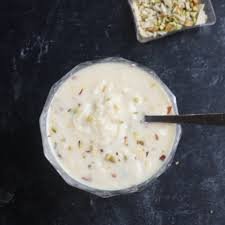

Basundi Recipe
Introduction
Basundi is a rich, creamy, and luxurious Indian dessert made by slowly simmering milk until it thickens and develops a naturally sweet and aromatic flavor. Popular in the states of Gujarat and Maharashtra, Basundi is often prepared during festivals, weddings, religious celebrations, and special family gatherings. Its silky texture, delicate sweetness, and fragrant cardamom flavor make it one of the most cherished milk-based desserts in Indian cuisine.
Unlike many desserts that require complicated ingredients or techniques, Basundi relies on a few simple ingredients—milk, sugar, cardamom, saffron, and nuts. The magic lies in the slow-cooking process, which allows the milk to reduce gradually, creating a rich and creamy consistency. The addition of almonds, pistachios, and saffron elevates the dessert, giving it a festive appearance and irresistible flavor.
Basundi is often served chilled, making it especially refreshing during warm weather. It pairs beautifully with traditional Indian sweets such as puri, malpua, jalebi, and shrikhand. Despite its royal taste, it is surprisingly easy to prepare at home with patience and careful stirring.
Whether you are celebrating a festival like Diwali, Raksha Bandhan, Holi, or simply craving a comforting dessert, this homemade Basundi recipe is sure to impress your family and guests. Follow this step-by-step guide to create an authentic, restaurant-style Basundi that is rich, creamy, and full of traditional flavor.
Preparation Time
- Preparation Time: 10 minutes
- Cooking Time: 50 minutes
- Chilling Time: 2 hours
- Total Time: 3 hours
- Servings: 6
Ingredients
Main Ingredients
- 2 liters full-fat milk
- ½ cup sugar
- ¼ teaspoon cardamom powder
- A few saffron strands
- 2 tablespoons warm milk (for saffron)
For Garnishing
- 2 tablespoons sliced almonds
- 2 tablespoons sliced pistachios
- 1 tablespoon chopped cashews
- Dried rose petals (optional)
Instructions
Step 1: Heat the Milk
Pour the full-fat milk into a wide, heavy-bottomed pan.
Bring it to a gentle boil over medium heat while stirring occasionally.
Step 2: Simmer Slowly
Reduce the heat to low.
Allow the milk to simmer slowly while stirring frequently.
Scrape the cream that forms on the sides of the pan and mix it back into the milk.
This process creates the characteristic rich texture of Basundi.
Step 3: Reduce the Milk
Continue simmering for about 40–45 minutes until the milk reduces to nearly half its original quantity.
The consistency should become thick and creamy.
Step 4: Add Saffron
Soak saffron strands in warm milk for a few minutes.
Add the saffron-infused milk to the simmering Basundi.
Mix well.
Step 5: Add Sugar
Add sugar and stir continuously until completely dissolved.
Cook for another 5–7 minutes.
Step 6: Flavor the Dessert
Add cardamom powder and mix thoroughly.
The aroma will become rich and fragrant.
Step 7: Add Nuts
Stir in half of the sliced almonds, pistachios, and cashews.
Reserve the remaining nuts for garnishing.
Step 8: Cool the Basundi
Turn off the heat and allow the Basundi to cool completely.
It will thicken further as it cools.
Step 9: Chill and Serve
Transfer the Basundi to serving bowls.
Refrigerate for at least 2 hours.
Garnish with remaining nuts, saffron strands, and rose petals before serving.
Tips for Perfect Basundi
Use Full-Fat Milk
Rich, creamy milk produces the best flavor and texture.
Stir Frequently
Regular stirring prevents the milk from sticking and burning.
Use a Wide Pan
A wider surface area helps the milk reduce more efficiently.
Be Patient
Slow cooking is essential for authentic Basundi.
Adjust Sweetness
Increase or reduce sugar according to your taste preferences.
Variations
Fruit Basundi
Add chopped mangoes, apples, or grapes after the Basundi has cooled completely.
Sitaphal Basundi
Mix in custard apple pulp for a popular Maharashtrian variation.
Rose Basundi
Add a few drops of rose essence for a floral flavor.
Dry Fruit Basundi
Increase the quantity of nuts and dried fruits for a richer dessert.
Rabri-Style Basundi
Allow more cream layers to form and fold them back into the milk for a thicker consistency.
Health Benefits
Rich in Calcium
Milk provides calcium that supports healthy bones and teeth.
Good Source of Protein
Basundi contains protein from milk and nuts.
Provides Energy
The combination of milk and sugar makes it an energy-rich dessert.
Nutrient-Dense
Nuts contribute healthy fats, vitamins, and minerals.
Festive Treat
Enjoyed in moderation, Basundi can be part of a balanced celebratory meal.
Serving Suggestions
Basundi can be served:
- Chilled as a dessert
- With hot puris
- Alongside jalebi
- With malpua
- During festive meals
- At weddings and celebrations
Its rich flavor complements many traditional Indian sweets.
Storage Instructions
- Refrigerator: Store in an airtight container for up to 4 days.
- Freezer: Not recommended, as freezing may affect the texture.
Always serve chilled for the best taste.
Frequently Asked Questions
Can I make Basundi in advance?
Yes. In fact, Basundi tastes even better after chilling for a few hours.
Why is my Basundi not thickening?
Continue simmering until the milk reduces sufficiently.
Can I use condensed milk?
Yes. Condensed milk can shorten the cooking time and enhance richness.
Can I use low-fat milk?
You can, but the dessert may not be as creamy.
Is Basundi served hot or cold?
Traditionally, Basundi is served chilled.
Nutritional Information
Basundi contains calcium, protein, healthy fats, and essential nutrients from milk and nuts. Since it is a rich dessert, it is best enjoyed in moderation.
Conclusion
Basundi is a timeless Indian dessert that showcases the beauty of simple ingredients transformed through patience and slow cooking. Its creamy texture, aromatic cardamom flavor, saffron-infused richness, and crunchy nuts make it a true festive favorite. Whether prepared for a special occasion or simply to satisfy a sweet craving, this homemade Basundi recipe delivers authentic flavor and elegance in every spoonful. Make it once, and it is sure to become a treasured dessert in your family traditions.