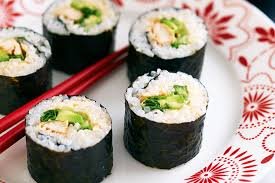

Sushi Rice Recipe
Introduction
Sushi Rice is the foundation of nearly every sushi dish and is considered one of the most important elements in Japanese cuisine. While many people focus on the fillings, seafood, or presentation of sushi, experienced chefs know that perfectly prepared rice is what truly defines exceptional sushi. Its unique balance of sweetness, tanginess, and subtle saltiness creates the authentic flavor that makes sushi so popular around the world.
Unlike ordinary steamed rice, Sushi Rice is specially seasoned with a mixture of rice vinegar, sugar, and salt. The result is a glossy, slightly sticky rice that holds together beautifully while maintaining a light and fluffy texture. Whether you are making sushi rolls, nigiri, chirashi bowls, hand rolls, or poke bowls, mastering Sushi Rice is the first step toward creating restaurant-quality Japanese dishes at home.
The key to great Sushi Rice lies in selecting the right rice, washing it properly, cooking it carefully, and seasoning it while it is still warm. Although the process may seem simple, attention to detail can make a significant difference in the final result.
This easy Sushi Rice recipe will guide you through every step, helping you achieve perfectly seasoned rice that is ideal for homemade sushi creations. Once you learn this technique, you’ll be able to prepare a variety of Japanese-inspired meals with confidence.
Preparation Time
- Preparation Time: 15 minutes
- Cooking Time: 25 minutes
- Resting Time: 10 minutes
- Total Time: 50 minutes
- Servings: 4–6
Ingredients
For the Rice
- 2 cups Japanese short-grain sushi rice
- 2½ cups water
For the Sushi Vinegar Seasoning
- ¼ cup rice vinegar
- 2 tablespoons sugar
- 1 teaspoon salt
Instructions
Step 1: Wash the Rice
Place the sushi rice in a large bowl.
Rinse the rice under cold water, gently swirling it with your hands.
Drain the water and repeat the process several times until the water becomes almost clear.
This step removes excess starch and helps achieve the ideal texture.
Step 2: Soak the Rice
After washing, soak the rice in fresh water for 20–30 minutes.
Drain thoroughly before cooking.
Step 3: Cook the Rice
Transfer the rice and water to a rice cooker or heavy-bottomed pot.
Cook according to your rice cooker’s instructions or bring to a boil, then reduce heat to low and cover tightly.
Cook for approximately 18–20 minutes.
Turn off the heat and allow the rice to rest for 10 minutes without lifting the lid.
Step 4: Prepare the Seasoning
While the rice is cooking, combine rice vinegar, sugar, and salt in a small saucepan.
Warm gently over low heat until the sugar and salt dissolve completely.
Do not boil.
Allow the mixture to cool slightly.
Step 5: Season the Rice
Transfer the cooked rice to a large wooden or non-metallic bowl.
Gradually pour the vinegar mixture over the warm rice.
Using a rice paddle or spatula, gently fold the rice while avoiding crushing the grains.
Step 6: Cool the Rice
Fan the rice while mixing to help it cool quickly and develop a glossy appearance.
Continue folding gently until the seasoning is evenly distributed.
Allow the rice to cool to room temperature.
Step 7: Use for Sushi
Your Sushi Rice is now ready to use for sushi rolls, nigiri, hand rolls, sushi bowls, or other Japanese-inspired dishes.
Tips for Perfect Sushi Rice
Choose the Right Rice
Always use Japanese short-grain rice or rice labeled specifically for sushi.
Wash Thoroughly
Proper rinsing removes excess starch and prevents gummy rice.
Don’t Skip Soaking
Soaking helps the rice absorb water evenly for better texture.
Handle Gently
Avoid stirring aggressively after cooking to prevent broken grains.
Cool Properly
Cooling while fanning gives the rice its traditional glossy finish.
Variations
Brown Sushi Rice
Use short-grain brown rice for a healthier version.
Reduced Sugar Version
Decrease the sugar slightly while maintaining the vinegar balance.
Sweet Sushi Rice
Increase sugar for recipes that include fruit or dessert sushi.
Sushi Bowl Rice
Prepare the rice exactly the same way and use it for poke bowls and sushi bowls.
Common Mistakes to Avoid
Using Long-Grain Rice
Long-grain rice lacks the stickiness needed for sushi.
Overcooking
Too much water can result in mushy rice.
Seasoning Cold Rice
The vinegar mixture absorbs best while the rice is warm.
Refrigerating Immediately
Cold temperatures can make sushi rice hard and dry.
Overmixing
Excessive stirring can break the grains and affect texture.
Serving Suggestions
Sushi Rice can be used in a variety of dishes:
- California rolls
- Salmon sushi
- Tuna rolls
- Vegetable sushi
- Nigiri sushi
- Sushi bowls
- Poke bowls
- Temaki hand rolls
- Japanese rice salads
Storage Instructions
Sushi Rice is best enjoyed fresh.
If necessary:
- Store covered at room temperature for a few hours.
- Refrigerate for up to 1 day.
- Reheat gently before use.
Avoid freezing, as it may alter the texture significantly.
Nutritional Benefits
Sushi Rice provides carbohydrates for energy and serves as a versatile base for nutrient-rich toppings such as vegetables, seafood, tofu, and lean proteins. When paired with healthy ingredients, it can be part of a balanced meal.
Frequently Asked Questions
Can I use regular white rice?
You can, but authentic sushi texture is best achieved with Japanese short-grain rice.
Why is my rice not sticky enough?
Insufficient rinsing, incorrect rice type, or too little water may be the cause.
Can I make Sushi Rice in advance?
Yes, but it is best used the same day for optimal flavor and texture.
What vinegar should I use?
Rice vinegar is essential for authentic flavor.
Is Sushi Rice gluten-free?
Yes, provided all ingredients used are certified gluten-free.
Conclusion
Perfect Sushi Rice is the heart of every great sushi dish. With its delicate balance of sweetness, acidity, and stickiness, it provides the ideal base for countless Japanese recipes. By following the proper techniques for washing, cooking, seasoning, and cooling the rice, you can easily achieve restaurant-quality results at home. Whether you’re preparing classic sushi rolls, elegant nigiri, or modern sushi bowls, this Sushi Rice recipe will help you create authentic and delicious Japanese meals every time.